Concussion Recovery protocol
Concussion Recovery: Our Protocol
At home, concussion recovery comes down to four things: sleep, light, food and a steady return to activity.
Sleep
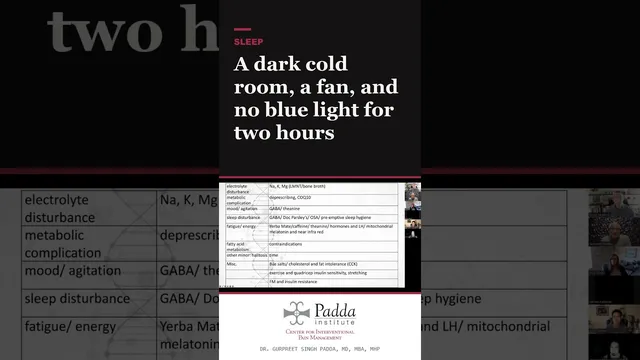
Follow the Sleep Hygiene protocol on your discharge sheet. Sleep is the first thing we restore, because poor sleep makes every other symptom worse.
Light
- Keep screens and other blue light out of the evening.
- Get plenty of sunlight during the day.
Food and drink
We strongly encourage a high-fat, very low-carbohydrate way of eating. The goal is to help the brain rebuild its structure while lowering two things that slow healing: glycation, the damage sugar does to tissue, and the brain inflammation that high insulin drives. Follow our 🥑 Therapeutic Carbohydrate Reduction (TCR) protocol and our metainflammation food list, 🍽️ Eat, Don’t Eat.
- Do not skip meals. An injured brain needs more fuel, not less, even when you feel sick or foggy.
- Drink water. Dehydration makes headache and thinking worse on its own.
- Avoid alcohol. It breaks up normal sleep.
Activity
Return to activity step by step, guided by your symptoms, rather than resting in a dark room until they stop. Long rest slows recovery for many people.
Supplements on your sheet
Call 911 or go to the emergency room if, after a head injury, you have a headache that keeps getting worse, vomit more than once, have a seizure, slur your words, feel new weakness or numbness, or become more confused or hard to wake.